Are you considering trying your hand at snowboarding this winter season? It’s a thrilling sport that offers the perfect combination of adrenaline and excitement. While skiing is also a great winter sport, snowboarding offers a unique experience that’s worth trying at least once in your life. In this article, we’ll share some tips to help beginners get started with snowboarding.
How Long Does It Take To Learn How To Snowboard?
Many snowboarders will tell you that snowboarding is not just a sport, it’s a lifestyle. For enthusiasts, the thrill of speed, deep powder snow, and the snow park is where they live during the winter months and dream about during the summer. However, it’s important to note that learning how to snowboard is a long and difficult process. Everyone takes a different amount of time to pick it up.
During your first day of lessons, you may feel discouraged as you struggle to stand up, balance, and take T-bar lifts without falling. But don’t let this discourage you. Even advanced snowboarders struggled with the basics at the start. Endurance and patience are key to your success. While you won’t become an expert in just a couple of days, investing the time and effort will be worth it in the end.
Learn To Snowboard: The Most Efficient Ways
Learning how to snowboard can be an exhilarating experience, but it can also be challenging, especially for beginners. However, with the right guidance, it can be a lot easier and quicker. In this article, we will explore the most efficient ways to learn how to snowboard.
Take professional snowboarding lessons
The quickest and most efficient way to learn how to snowboard is by taking professional snowboarding lessons. A certified snowboard instructor can provide you with the necessary skills and knowledge to improve your technique and make you feel comfortable on the slopes.
Group lessons
Group lessons are a great option for beginners, as they provide a supportive and friendly atmosphere. Learning with like-minded people will motivate you to improve your skills, and you’ll have others to share your progress with. Moreover, group lessons are usually more affordable than private ones, which makes them ideal for those who want to learn on a budget.
Small group lessons, in particular, are very efficient, as the instructor can still give you individual attention while you also benefit from the group dynamic.
Private lessons
Private snowboarding lessons provide individualised attention and can be tailored to your specific needs. This means you can focus on your strengths and weaknesses, and progress at your own pace. Moreover, you can customise your lessons to suit your preferences, whether it is mastering the basics of learning advanced tricks. Private lessons can be used for not only beginners but experienced riders who want to master a new/ different part of snowboarding.
With private lessons, you will receive the full attention of the instructor, who will be able to identify areas where you need more help and provide you with feedback on how to improve your technique. However, private lessons can be more expensive than group lessons.
Finding Your Snowboarding Stance: Regular Vs. Goofy
When it comes to learning how to snowboard, finding your stance is essential. Your stance determines which foot you have in front of your board, and there are two options: regular and goofy. Regular-stance means your left foot is at the front, while goofy-stance means your right foot is at the front. Knowing your stance is crucial for your comfort and progress while learning to snowboard.
Tests To Find Your Stance
There is no standardised way of finding your stance, but there are a few tests you can try at home.
Skateboarding test: If you’re already a skateboarder, the leg that you constantly keep on the board is likely the same leg that you’ll want to have strapped into your snowboard. However, this is not always the case, so it’s worth double-checking with other tests.
Sock sliding test: One fun and easy test to try at home is sliding on a slippery surface with your socks on. See which foot you naturally place in front. Generally, this will be the foot that you want at the nose of your snowboard.
Push test: Another way to find your stance is by having someone push you lightly from behind. Notice which foot you use to catch yourself. If you use your left foot, you’re probably regular-footed. If you use your right foot, you’re likely goofy-footed.
Finding Your Stance Will Improve Your Learning Curve
Knowing your stance is essential to feeling comfortable while snowboarding and progressing quickly. By taking the time to find your stance before hitting the slopes, you’ll be able to spend more time focusing on developing your technique and mastering new tricks.
Finding your stance is a critical first step when learning to snowboard. While there’s no standardised way of finding your stance, trying out a few different tests at home can help you determine if you’re regular or goofy-footed. By taking the time to find your stance, you’ll be able to progress faster and more comfortably in your snowboarding journey.
The Essential Equipment You Need to Learn How to Snowboard
When it comes to learning how to snowboard, having the right equipment can make all the difference. Not only will it help keep you safe, but it can also help increase your progress. Here is a list of the essential equipment you’ll need:
The Snowboard
The most important piece of equipment is, of course, the snowboard itself. When set up, the board should reach approximately to your chin and be as broad as your boots are long. It’s important to choose the right size for your height and weight to ensure optimal performance.
The Boots
The boots are just as important as the board. They should fit comfortably and snugly, with half a size larger than your regular shoe size being the norm. Be sure to choose boots that are appropriate for your skill level and the type of terrain you plan to tackle. It is best to visit a professional snowboard shop to know which boots are most suitable for you.
The Bindings
Bindings are an essential part of your setup as they connect you to your board. The stiffness of your bindings is a key factor and depends on the type of terrain you plan to ride. Softer bindings are best for deep powder and hitting the snow park, while harder bindings are better suited for riding slopes.
The Helmet
Safety should always be a top priority when snowboarding, and a helmet is a crucial piece of equipment. It should fit well and be snug, without being too tight or too loose. A helmet is essential for protecting your head from potential injury in case of a fall.
Goggles
Quality goggles are a must-have for any snowboarder. They will help protect your eyes from the sun and wind, as well as prevent fogging on your lenses. Good lenses will also help improve your vision, making even grey days on the mountain more enjoyable.
Back Protector
A back protector is crucial, especially for those who want to hit the fun park. Make sure it fits comfortably and doesn’t restrict your movement.
Rental Equipment
If you’re just starting out with snowboarding, renting equipment is a great option. It allows you to try out different gear and find what works best for you before investing in your own equipment.
In conclusion, having the right equipment is essential for learning how to snowboard safely and effectively. Choose your gear carefully, and remember to prioritise safety above all else.
Learn the Basics of Snowboarding: Your First Lessons
Are you ready to hit the slopes and learn how to snowboard? Before you can start shredding the mountain, you need to master the basics. Your first snowboarding lessons will introduce you to the fundamental skills that are crucial for your success on the board. Here are some essential techniques to focus on during your first lessons:
Skating
Skating is the first skill you will learn in snowboarding. It involves moving around on flat terrain with your front foot strapped onto the board and your back foot pushing you along. To skate, take small steps and pull your snowboard next to you. This technique is essential for accessing ski lifts and moving on flat parts of the slope.
Gliding
Gliding is going down gentle slopes with only your front foot strapped in and your back foot resting on the board. It’s a technique you’ll need to master to get off the ski lift. Gliding may sound easy, but it takes practice to get it right.
J-Turn
The J-Turn is the first movement that starts to resemble a turn. It involves gliding down the slope and then turning slightly uphill in the shape of a “J.” This technique is important for controlling your speed and changing direction.
Traverse
Traversing is the technique of moving sideways across the slope while holding your balance on the edges of your board. To traverse, position your board horizontally to the slope, with your back pointing to either the mountain or the valley. With slightly bent legs, shift your weight towards either the nose or the tail to move in the desired direction. Traversing is crucial for navigating the mountain and avoiding obstacles.
Learning these basic skills will help you progress quickly in snowboarding. Remember to take your time, be patient, and most importantly, have fun! With practice and determination, you’ll be shredding the mountain in no time.
Once you have mastered all of these skills you will move onto turning, i have one simple tip for you when learning to turn. Look at the place you want to go and stay low (bent knees allow you to keep control), your weight and board will follow where you look.
What is the Best Age to Learn Snowboarding?
Snowboarding is an amazing sport that can be enjoyed by anyone, regardless of their age. The question of when to start learning snowboarding depends on the individual’s physical abilities and interests. In this article, we will explore the best age to start learning how to snowboard and what factors to consider.
Age Doesn’t Matter, But Physical Fitness Does
Age is just a number when it comes to snowboarding. You can start learning at any age as long as you are physically fit and have good balance. Snowboarding requires endurance and stamina, and it is important to have a basic level of physical fitness to avoid injury. Therefore, regardless of age, it is important to have a good level of physical fitness before hitting the slopes.
Younger Kids Can Learn Snowboarding Too
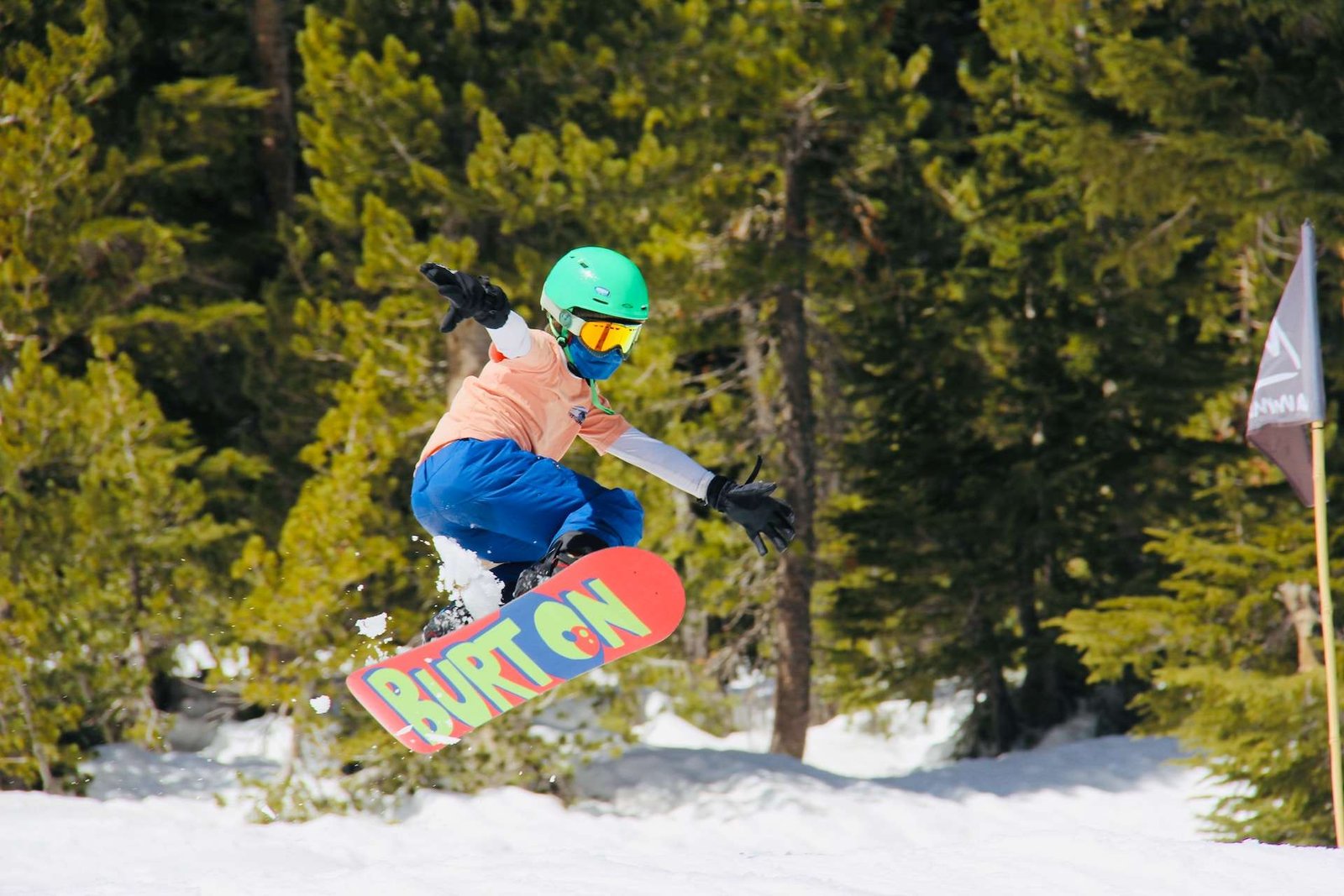
Snowboarding is not just for adults, and even young children as young as three or four years old can start learning to snowboard. In fact, starting at a younger age can be beneficial as children tend to have less fear and can pick up new skills more quickly. However, it is important to choose the right course outline for young children. Private snowboarding lessons could be the better choice for very young kids, as it allows for more one-on-one attention and a tailored approach to their learning needs.
It’s Never Too Late to Start
On the other hand, if you are an adult who has never tried snowboarding before, don’t let age hold you back. Snowboarding is a sport that can be enjoyed at any age, and it’s never too late to start. The key is to take it slow and not push yourself beyond your limits. Starting with a beginner’s course and gradually building up your skills and confidence is the best way to go.
Pick the Right Course Outline for Your Needs
When it comes to learning how to snowboard, it is important to pick the right course outline for your needs. Whether you are a beginner or an experienced rider, there are courses available to suit your skill level. Private lessons may be the best choice for those who want more personalised attention, while group lessons can be a great way to meet new people and learn from others.
Conclusion
In conclusion, there is no ideal age to learn how to snowboard. It is a sport that can be enjoyed by anyone, regardless of their age, as long as they have good physical fitness and balance. Young children can start learning at a very young age, while adults can start at any time. The key is to choose the right course outline for your needs and to take it slow and steady. With practice and dedication, anyone can learn how to snowboard and enjoy the thrill of carving down the slopes.
DO NOT forget to send us pictures & Videos of your awesome snowboard holidays and boarding progression @breezyboarding on Instagram.