This article is suitable for both snowboarders and skiers.
Snowboarding/Skiing is an exciting and thrilling sport that can be enjoyed by anyone regardless of age or skill level. However, to fully enjoy your time on the mountain, it’s essential to dress appropriately for the weather conditions. In this guide, we’ll provide tips on how to dress for a day of boarding, with a focus on beginners.
Start with Layers and Avoid Cotton Clothing
When dressing for a day on the mountains, layering is crucial. This is because weather conditions can change rapidly, and you want to be prepared for anything. We suggest looking at the weather reports in the morning, however still accept that the conditions could not be what is predicted. Also, the right clothing will keep you comfortable throughout the day. To begin with, avoid cotton clothing at all costs as it absorbs moisture, which can lead to feeling cold and damp throughout the day.
Lower Body
The lower body is an essential part of your body that you need to dress correctly to have a comfortable day on the mountain. Here are some tips to follow:
Ski/ snowboard Socks: No Shortcuts Allowed
The first thing you need for your lower body is a good pair of ski socks that are at least knee-high or as tall as your boots. A short sock that falls down to your ankles can create an uncomfortable crease in your boot, causing pain and discomfort throughout the day. Opt for socks made from wool or synthetic material such as nylon, acrylic, and polyester, or a blend of wool and synthetic. Merino wool socks are some of the most comfortable and warmest options out there. A good pair of ski socks will keep your feet happy all day long. We believe this is one of the most important parts as your feet can get sore, this is not comfortable at all, especially if you are boarding for more than 1 day. You will need 2-3 pairs if you are boarding for a week, alternating each day-make sure you dry each pair after use.
Base Layer Bottoms: Keep It Tight
For your base layer, get a pair of thermal long underwear or long johns that are tight-fitting, breathable, warm, and comfortable. Wool or synthetic materials are the best options here. If you don’t want to invest in thermals, you can use leggings as an alternative. Yoga pants or athletic/gym leggings can work in a pinch, but they may not be as effective as thermal long johns.
Outerwear: Stay Waterproof and Windproof
For your lower body, you’ll want to follow a similar layering system as your upper body, starting with a base layer, then a midlayer if necessary, and finishing with an outer layer. Your ski or snowboard pants will be your outer layer and should be both waterproof and breathable. You’ll want to make sure they fit comfortably over your base and midlayers, but not too loose as to get in the way or too tight to restrict movement.
When choosing your ski or snowboard pants, you’ll want to consider the type of skiing or snowboarding you’ll be doing and the weather conditions. For example, if you’re going to be skiing or snowboarding in colder conditions, you’ll want to look for pants with good insulation, whereas if you’re going to be skiing in warmer conditions, you’ll want something more breathable. Similarly, if you’re going to be riding in wet conditions, look for pants with higher waterproof ratings.
Ski and snowboard pants often come with features like reinforced knees and cuffs, pockets for storage, and adjustable waistbands for a customised fit. It’s important to make sure your pants are long enough to cover your boots and come with elastic cuffs to prevent snow from getting in.
From our experience, if you are snowboarding you want to make sure your pants are not too tight as it will restrict you from getting low and sitting down (which you will be doing a lot of).
Fashion Faux Pas: Say No to Jeans
Avoid wearing jeans at all costs when skiing or snowboarding. Jeans are not waterproof and will leave you cold, wet, and out of your element on the mountain. Opt for the right ski gear, and you’ll have a much more enjoyable time on the slopes.
In Conclusion
Picking the right ski clothing is essential for your comfort and safety on the mountain. Remember to layer up and avoid cotton clothing. Opt for synthetic or wool materials that will keep you warm and dry all day. Pay attention to the details, such as the right socks and the best outerwear, to ensure you have a comfortable and enjoyable day on the slopes.
If you are looking for further suggestions on clothing, message us on instagram.
Upper Body
Base Layer Top
Your base layer, also known as your insulating layer, is the first layer that will be in direct contact with your skin. It’s crucial to choose a base layer that is breathable, quick-drying, and moisture-wicking to absorb sweat from your skin. A good option for this layer is a long-sleeved athletic t-shirt. This layer will help you stay warm and dry, especially when you start to warm up while riding down the mountain. Look for materials like merino wool or synthetic fabrics that have high breathability and moisture-wicking capabilities.
Midlayer
The midlayer is where you can get creative and choose a layer that fits your personal preferences. The main purpose of the midlayer is to provide additional warmth. This layer doesn’t need to be as breathable as your base layer or as waterproof as your outer layer. You can choose a light fleece sweatshirt, a wool sweater or pullover, or even a puffy down jacket if you want the warmest option. Experiment with different materials and weights to find what works best for you. If you tend to run hot, you might prefer a mid-weight or lightweight fleece. If you tend to run cold, go for something heavyweight or an extra layer or two. Your midlayer should fit comfortably in between your other two layers and should be easy to take off and put back on as your temperature fluctuates throughout the day.
Ski & Snowboard Jacket
Your outer layer, also known as your shell layer, is the most important layer to protect you from the elements. Choose a waterproof and windproof ski or snowboarding jacket with either insulation or a shell. Look for a jacket that can easily shed snow and block the wind. If you’re unsure whether to go for an insulated or shell jacket, consider your body temperature and where you’ll be skiing or snowboarding. Insulated jackets are good for colder temperatures, while shell jackets are more versatile and can be used in a range of conditions. The type of jacket you choose will also depend on the time of year you’ll be skiing or snowboarding.
It’s important to consider the waterproof rating of your jacket and ensure it’s appropriate for where you’ll be skiing or snowboarding. For instance, if you’ll be skiing in the Pacific Northwest, where the snow tends to be wetter, look for a jacket with a higher waterproof rating like 15k or even a GORE-TEX jacket. If you’re skiing in the Midwest or East Coast where the snow tends to be drier, a jacket with slightly less waterproof rating but more insulation can work well. Always check the breathability ratings of your clothing before purchasing.
Breezyboarding – “I snowboard in Europe, France, and I have found insulated or a shell jacket are perfectly adequate. It all comes down to personal preference.”
Ski/ Snowboard jackets often come with useful features like large zipper pockets to hold phones and audio devices, and space to hold ski goggles or sunglasses to prevent fogging. If you live in a snowier area, consider getting a jacket with a snow skirt or powder skirt, which is a tight layer near the waist that keeps snow from coming up through your jacket on deep powder days. If you’re heading out for warm spring skiing, a jacket with underarm vents, also known as “pit zips,” can help you cool off.
Accessories
When hitting the slopes, proper attire is crucial for staying warm, comfortable, and safe. In addition to the appropriate clothing, there are a few must-have ski and snowboard accessories that are essential for a successful day on the mountain. Here are some of the key items you’ll need:
Gloves and Mittens
Gloves or mittens are a vital part of your ski or snowboard attire, as the cold air and wind resistance make it nearly impossible to ski without them. However, not all gloves are created equal. Waterproof, windproof gloves, such as the Hestra Army Leather Heli Ski 5-Finger Gloves, are ideal for keeping your fingers warm and protected. For even more warmth, use glove liners like the Icebreaker Unisex 260 Glove Liner or hand warmers.
Breezyboarding – “For snowboarders, I have tried both finger gloves and mittens, I prefer mittens as your fingers stay together and therefore I find them warmer. Either are adequate so whichever you personally prefer will be fine. If you fingers usually get cold then glove liners can help”
Goggles and Sunglasses
Eye protection is crucial when skiing or snowboarding. The sun’s glare off the snow can be blinding on a sunny day, while snowflakes hitting your eyes can be painful on a snowy day. Ski and snowboard goggles, such as Smith Squad Goggles, are essential for protecting your eyes and are helmet-compatible with plenty of great features so that you can comfortably and easily see what’s in front of you.
Helmet or Beanie
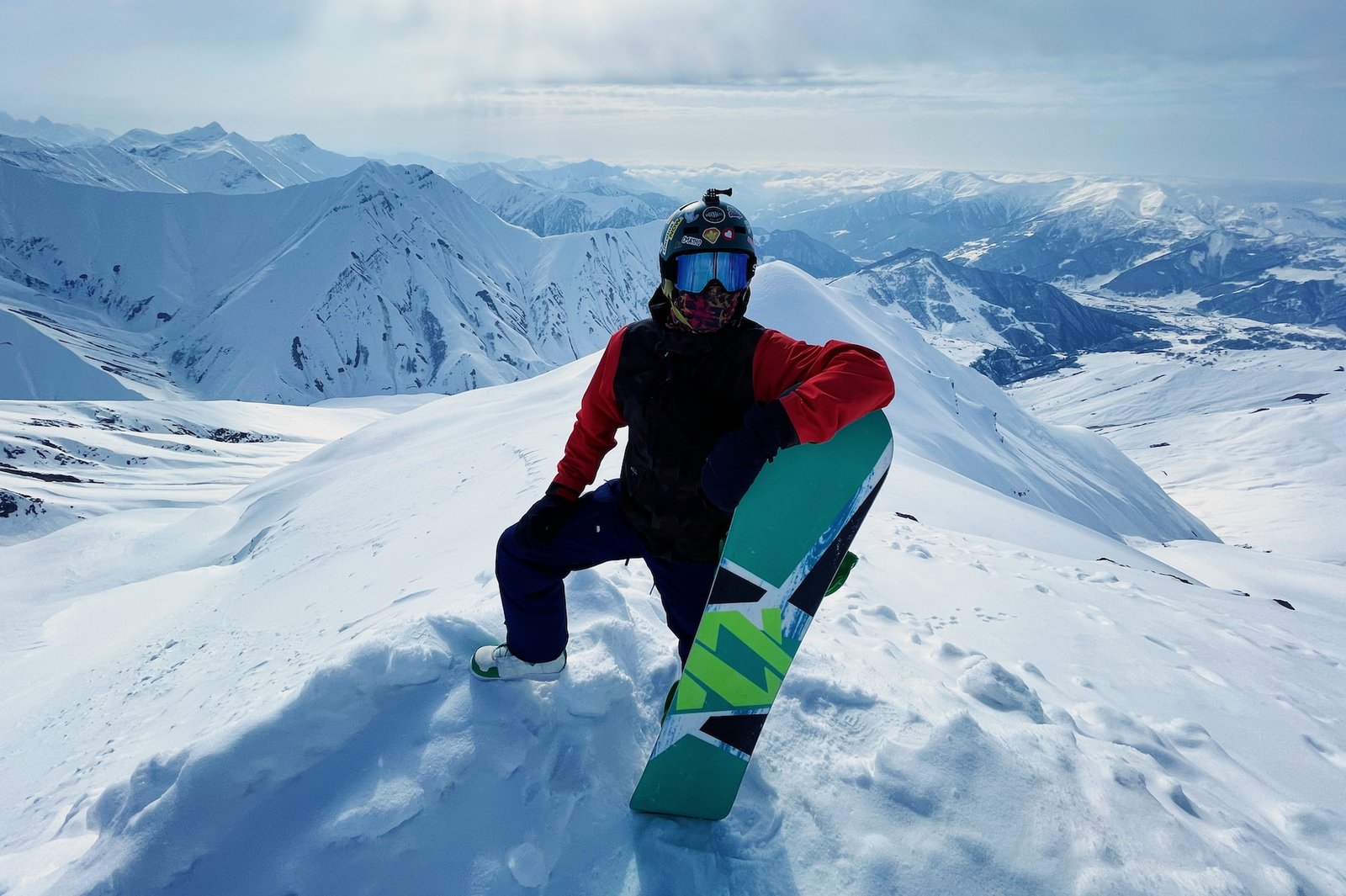
While not mandatory, wearing a helmet, such as the Smith Mission MIPS Helmet, is highly recommended and very common. A helmet will protect your head from injuries and keep your head and ears warm. Rental helmets are available at most ski shops, but if you’re unable to rent one before hitting the slopes, a beanie is essential to keep your head and ears warm.
Breezyboarding – “A good helmet is the most essential part of the outfit and no one should ski or board without one, please be safe. If you don’t/ can’t buy or have one the rental shops are perfect as all helmets are ensured to be safe.”
Face Covering
To keep your face warm, a face mask, balaclava, neck gaiter, or scarf can be a great addition to your outfit. You can stuff it under your goggles to maximise coverage, keeping you warm and preventing wind burn in cold weather. On hotter days, it protects you from the sun and helps prevent sunburn. A hood is also useful on windier days (just make sure it fits over your helmet).
Pro Tips: Dressing for the Slopes
Here are some additional tips to help you dress for a successful day on the slopes:
- Check the weather. Know the forecasted mountain temperatures for the day and the expected conditions.
- Bring extra layers. Most ski resorts have rental lockers or leave an extra layer or two in the car. Don’t end your day early because you’re cold!
- Waterproof is key. All of your outer layers should be waterproof to keep you dry and warm.
- Shed layers as needed. If you start to sweat, shed your mid-layer! Sweating leads to moisture, and moisture leads to cold.
- Bring sunscreen and SPF chapstick. The sun shines bright off of the snow!
- Have some fashion sense. Jackets should go over your pants, and goggles should go over your helmet.
- Don’t look like a Jerry. Avoid wearing jeans and trench coats.
- Let your personal style shine through! There are plenty of outerwear and accessory colors, patterns, and styles to choose from.
It’s never too early to start putting together your ski outfit for next season! Remember, the key concepts are to stay warm and comfortable while looking good. Experiment with what works for you, and add your personal style to your kit. If you have any questions about finding the right layers for your next day on the slopes, chat with a Real Expert for free advice and recommendations.
DO NOT forget to send us pictures & Videos of your awesome snowboard holidays and boarding progression @breezyboarding on Instagram.