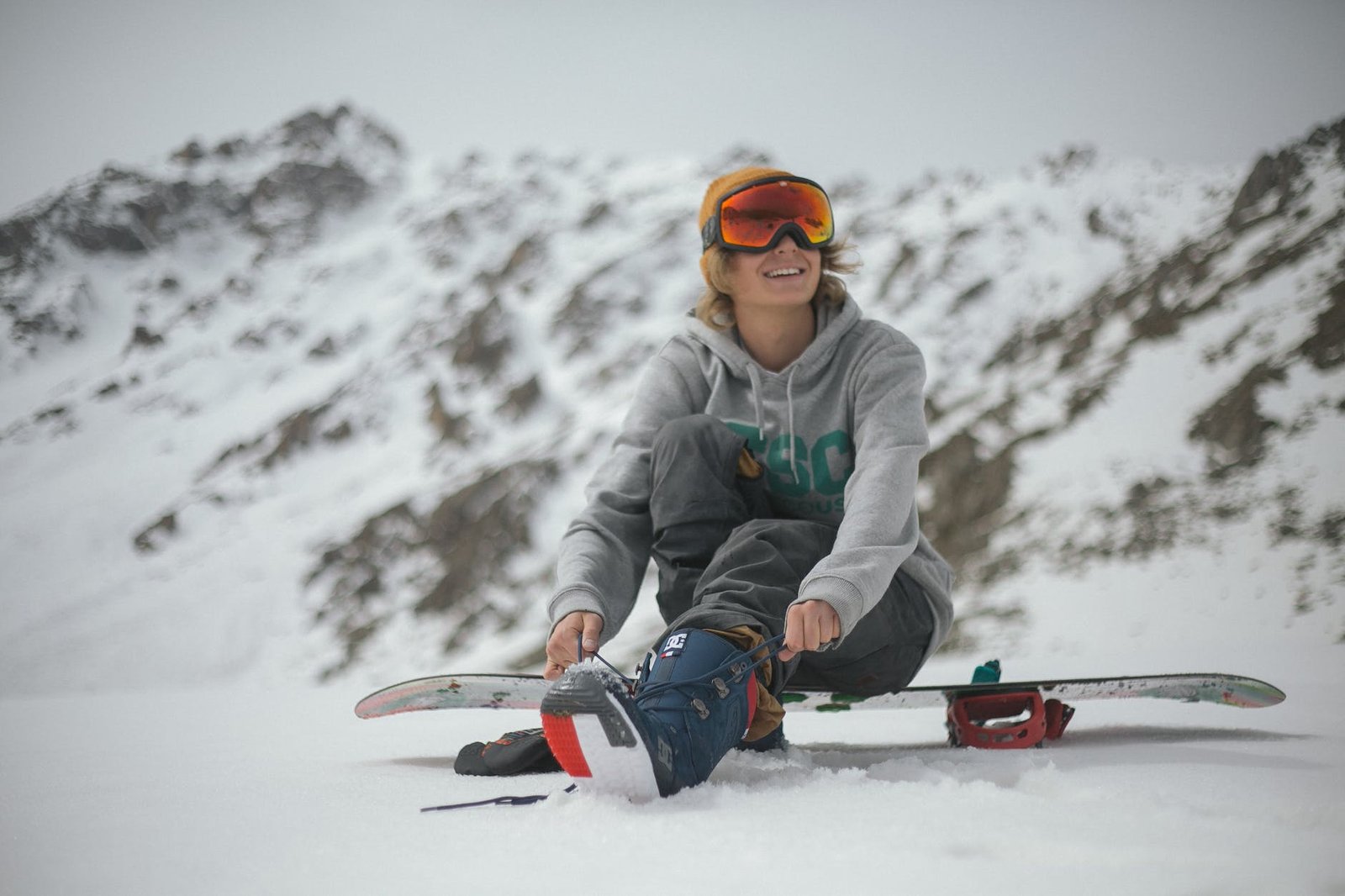
Climate change is having a major impact on the winter sports industry. Shorter winters and less snow are making it more difficult for snowboarders to enjoy their sport. In addition, the changing climate is creating new hazards on the slopes, such as avalanches and rock falls.
As a result, it’s more important than ever to stay safe while snowboarding. This article will provide tips for staying safe on the slopes in the age of climate change.
The impact of climate change on winter sports
Climate change is having a negative impact on winter sports in a number of ways. Shorter winters and less snow are making it more difficult for resorts to open and operate. In addition, the changing climate is creating new hazards on the slopes, such as avalanches and rock falls.
The risks of snowboarding in the age of climate change
The risks of snowboarding in the age of climate change are significant. Avalanches are becoming more common as the snowpack becomes less stable. Rock falls are also becoming more common as the ground becomes more unstable. In addition, the changing climate can create other hazards, such as ice sheets and mudslides.
How to stay safe while snowboarding in the age of climate change
There are a number of things that snowboarders can do to stay safe in the age of climate change. These include:
- Planning your trip carefully. Before you hit the slopes, make sure you know the conditions at the resort. Check the weather forecast and the snow report to make sure the conditions are safe for snowboarding.
- Dress appropriately. Dress in layers so that you can adjust your clothing as needed. It’s also important to wear a helmet, goggles, and gloves.
- Being aware of your surroundings. Pay attention to the terrain and the other people on the slopes. Be especially careful in areas where there is avalanche danger.
- Taking breaks. Don’t push yourself too hard. Take breaks to rest and hydrate.
- Listening to the experts. Follow the advice of the ski patrol and other safety professionals.
Planning your trip carefully
Before you hit the slopes, make sure you know the conditions at the resort. Check the weather forecast and the snow report to make sure the conditions are safe for snowboarding.
- Check the avalanche forecast. Avalanches are becoming more common as the snowpack becomes less stable. Before you go snowboarding, check the avalanche forecast for the area you plan to visit. Avoid areas that are rated as high or considerable danger.
Avalanche forecast for snowboarding - Be aware of the snowpack conditions. The snowpack can vary greatly depending on the location and the time of year. Be aware of the snowpack conditions in the area you plan to visit and avoid areas that are windblown or have fresh snow.
Snowpack conditions for snowboarding - If you are unsure about the conditions, it is always best to err on the side of caution and stay off the slopes. It is better to be safe than sorry. If you are not sure if the conditions are safe, it is always best to stay off the slopes.
In addition to checking the weather forecast and the snow report, you should also:
- Talk to the ski patrol. The ski patrol is a great resource for information about the conditions at the resort. They can tell you about avalanche danger, snowpack conditions, and other hazards.
Ski patrol for snowboarding - Read the resort’s website. The resort’s website should have information about the conditions, as well as safety tips.
- Ask other snowboarders. Other snowboarders can give you valuable information about the conditions at the resort.
Dressing appropriately
Dressing appropriately is important for staying safe while snowboarding, especially in the age of climate change. The weather can change quickly in the mountains, so it’s important to be prepared for anything.
- Dress in layers. This will allow you to adjust your clothing as needed to stay warm or cool.
Snowboarding layers clothing - Wear a helmet. A helmet is the single most important piece of safety gear you can wear while snowboarding. It can help to protect your head in case of a fall.
Snowboarding helmet - Goggles. Goggles protect your eyes from the sun, wind, and snow. They also help to prevent frostbite.
Snowboarding goggles - Gloves. Gloves keep your hands warm and dry. They also help to protect your hands from the cold and the elements.
Snowboarding gloves
In addition to dressing in layers, you should also:
- Wear sunscreen. The sun’s rays can be especially strong in the mountains. Wear sunscreen to protect your skin from sunburn.
- Stay hydrated. The air is dry in the mountains, so it’s important to stay hydrated. Drink plenty of water before, during, and after your snowboarding session.
By dressing appropriately, you can help to stay safe and comfortable while snowboarding in the age of climate change.
Staying aware of your surroundings
When you are snowboarding, it is important to stay aware of your surroundings at all times. This includes paying attention to the terrain, the other people on the slopes, and the weather conditions.
- Pay attention to the terrain. Be aware of the steepness of the slopes, the presence of cliffs, and other potential hazards. Avoid areas that are too steep or that have dangerous terrain features.
- Be aware of the other people on the slopes. Snowboarding can be a fast-paced sport, so it is important to be aware of the other people on the slopes. Be on the lookout for skiers and snowboarders who are coming towards you, and be prepared to stop or avoid them if necessary.
- Be aware of the weather conditions. The weather can change quickly in the mountains, so it is important to be aware of the weather conditions before you go snowboarding. If there is a storm coming, it is best to stay off the slopes.
In addition to these general tips, here are some specific things to watch out for when staying aware of your surroundings while snowboarding:
- Avalanche danger. Avalanches are a serious hazard in many mountainous areas, and they can be especially dangerous for snowboarders. If you are unsure about the avalanche danger in an area, it is best to stay off the slopes.
- Windblown snow. Windblown snow can make the slopes more difficult to navigate and can increase the risk of avalanches. Be especially careful in areas where there is windblown snow.
- Fresh snow. Fresh snow can make the slopes more slippery and can increase the risk of falls. Be careful when snowboarding on fresh snow, and take extra precautions to avoid falling.
By staying aware of your surroundings, you can help to stay safe while snowboarding.
Here are some additional tips for staying aware of your surroundings while snowboarding:
- Use a map and compass. This will help you to stay oriented and to avoid getting lost.
- Tell someone where you are going. This way, someone will know where to look for you if you get lost or injured.
- Be aware of the signs of avalanche danger. These signs include fresh snow, windblown snow, and unstable snowpack.
- Have a plan in case of an avalanche. This plan should include knowing how to signal for help and how to stay safe in an avalanche.
By following these tips, you can help to stay safe and aware of your surroundings while snowboarding.