Are you ready to hit the slopes for your first snowboarding holiday but not sure what to pack? It’s understandable to feel a bit overwhelmed, but don’t worry – we’ve got you covered. In this article, we’ll provide you with a handy checklist of everything you need to take with you. And if you’re a beginner, we’ll also give you some expert advice on what equipment you should invest in.
Snowboarding Equipment Checklist
Snowboarding requires a specific set of equipment, and you’ll want to make sure you have everything you need before you hit the slopes. Here’s what you’ll need:
- Snowboard and bindings
- Snowboard boots
- Snowboard jacket
- Snowboard trousers
- Thermal base layers and mid layers
- Snowboard/ski socks
- Snowboard gloves/ Mittens
- Helmet
- Goggles
- Sunglasses
- Neck warmer
- Sunscreen and lip block
- Hat/ Beanie
Beginner Snowboarding Equipment
As a beginner, it’s important to remember that you don’t need to buy everything. You can rent your snowboard equipment – boots, board, bindings, and helmet – at the resort. This will save you money, and you’ll have the opportunity to try out different types of equipment to find what works best for you. Once you’ve got the hang of snowboarding, then you can invest in your own equipment.
Snowboard and Bindings: What to Look For
When it comes to snowboards and bindings, beginner-specific equipment is crucial. Snowboards are made for different levels and types of riding, so using equipment that’s too advanced can hinder your progression. If you’re renting, Burton Learn to Ride beginner-specific snowboard equipment is good, however if you are renting, the rental shops will ask your skill level and give you a board based on your answers so don’t worry too much about looking for a specific board. As you progress, you can upgrade to a board that fits your preferred riding style, such as the LTR board, which is perfect for when you’ve mastered your turns.
Snowboard Boots: Why They’re Important
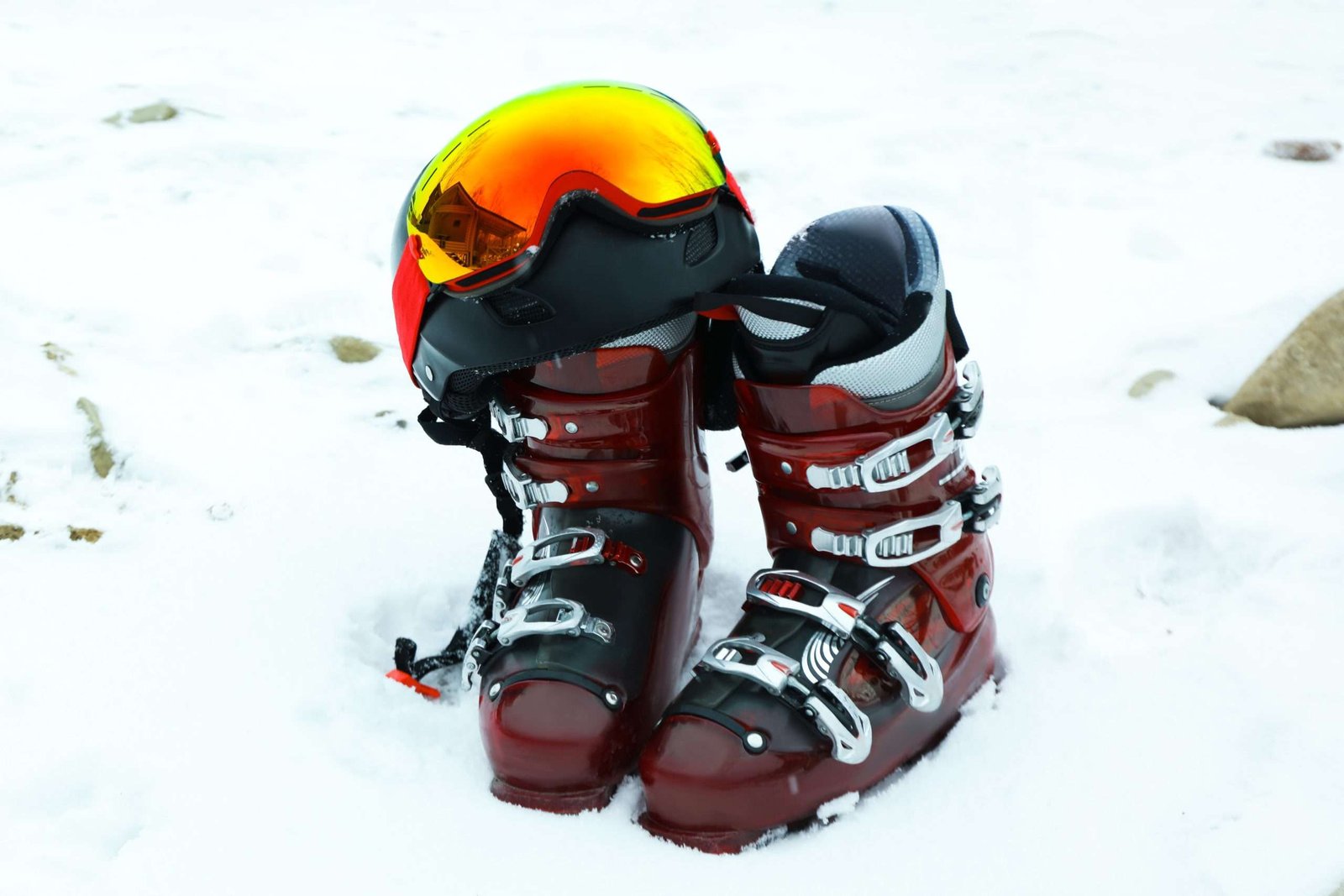
You’ll want beginner/intermediate level boots with a medium-soft flex that help your feet control the board. While you can rent boots, they should be your first equipment investment. A great, well-fitted pair of boots is crucial to comfort and progression. Don’t go for the cheapest pair, and definitely don’t buy them online. Head to your local snowboard shop for a proper boot fitting, where you can get expert advice and try on lots of different models and makes.
Outerwear – Snowboard Jacket and Pants
Your snowboard jacket and pants are important purchases, both for their quality and look. You’ll want good waterproof and breathable fabric to keep you warm and dry. This will also protect you from windchill and that fresh snow dump that may come when you’re on the mountain. As a beginner, you might be spending some time on your bum, so you want to stay dry.
Snowboard Gloves: What to Consider
A good pair of gloves is an important purchase, especially for beginner snowboarders. You’ll spend plenty of time with your hands in the snow and doing up your bindings. We recommend getting the best gloves you can afford, ideally Gore-Tex. Mittens or gloves? That’s completely up to you! Mittens are a warmer option, and you can also pop a hand warmer inside on those extra chilly days. Look for snowboard-specific gloves, as they’re generally more hard-wearing than ski gloves.
Thermal Base Layers and Mid Layers
These are what you wear under your snowboarding jacket and pants, and they’re arguably the most important bit of kit as they’ll keep you warm. Proper thermal base layers are made with either synthetic or wool and are breathable and warm. They take moisture away from the body and keep the chill off your skin. Before you go wild on purchasing thermal layers, bear in mind where you are going and what time of year it is, as this will dictate how warm you need to be. As for mid layers, these are your insulating layers that go over your base layers and under your jacket. Fleece or down jackets work well, but make sure they’re not too bulky as you still want to be able to move freely.
Snowboard/Ski Socks
A good pair of snowboard or ski socks is essential for a comfortable day on the slopes. Look for socks made specifically for snowboarding/skiing, as they’ll be designed to fit snugly without bunching up or slipping down. Merino wool socks are a great option, as they’re warm, breathable, and moisture-wicking.
Helmet and Goggles
Safety is a top priority when snowboarding, so investing in a good quality helmet and goggles is essential. When it comes to helmets, make sure it fits properly and meets safety standards. As for goggles, look for ones with interchangeable lenses, so you can adjust for different weather conditions. A goggle with a light-reflecting lens will help you see the snow contours and avoid bumps and sudden drops.
Sunglasses and Neck Warmer
While goggles are essential for snowboarding, you’ll also want to bring a pair of sunglasses for when you’re not on the slopes. A neck warmer will help keep you warm and protect your neck from the cold wind. You can also use it as a face mask when the wind picks up.
Sunscreen and Lip Balm
Even on cloudy days, the sun’s UV rays can be strong on the mountain. Protect your skin and lips by bringing sunscreen and lip balm with SPF. Apply regularly throughout the day to avoid getting burnt or chapped.
Hat
Don’t forget to bring a warm hat to keep your head and ears warm. A beanie or a headband that covers your ears works well.
Essential Items To Pack
When packing for a trip, it’s important to remember a few essential items to ensure a comfortable and enjoyable journey. Here are some items you should consider packing:
- First Aid Kit: Accidents can happen anytime, anywhere, and it’s important to be prepared. A first aid kit should include items such as band-aids, antiseptic wipes, pain relievers, and any necessary prescription medications.
- Snacks: Travelling can be exhausting, and hunger can strike at any moment. Pack some non-perishable snacks such as trail mix, energy bars, or fruit to keep you fueled up throughout your journey.
- Water: Staying hydrated is crucial, especially when you’re travelling. Bring a reusable water bottle and refill it whenever possible to save money and reduce plastic waste.
- Camera: Whether you’re a professional photographer or just looking to capture some memories, a camera is a must-have item. Consider bringing a compact point-and-shoot camera or using your smartphone to take pictures.
By packing these essential items, you can ensure a safe, comfortable, and memorable trip
Tips on how to pack the equipment efficiently.
Packing for a snowboarding trip can be overwhelming, but with these tips, you can pack your equipment efficiently and avoid unnecessary stress:
- Create a checklist: Start by creating a list of all the essentials you need to pack. This will help you stay organised and ensure you don’t forget anything.
- Rent equipment: If you’re new to snowboarding, renting equipment can be a good option. This will save you the hassle of packing bulky gear and ensure you have the right equipment for your skill level.
- Use packing cubes: Packing cubes are a great way to keep your gear organised and easy to find. Use them to separate your clothes from your equipment and keep everything in its place.
- Pack light: Snowboarding gear can be heavy, so pack only what you need. Consider renting equipment and clothing at your destination to lighten your load.
What to wear off the slopes
When you’re not on the slopes, you still want to stay warm and comfortable. Here are some tips on what to wear off the slopes:
- Layer up: Layering is key to staying warm in the snow. Wear a base layer, mid-layer, and a waterproof outer layer to protect yourself from the cold.
- Warm accessories: Don’t forget to pack warm accessories like a hat, gloves, and scarf. These can make a big difference in keeping you warm and comfortable.
- Comfortable footwear: After a day on the slopes, your feet may be sore. Pack comfortable footwear like sneakers or boots to wear off the slopes.
What to expect during the snowboarding experience
Snowboarding can be an exhilarating and challenging experience. Here are some things to expect during your snowboarding trip:
- Falls: Expect to fall down several times when you’re learning to snowboard. Don’t be discouraged – it’s part of the learning process!
- Different conditions: Snow conditions can vary depending on the weather, time of day, and location. Be prepared to adjust your technique to the conditions.
- Crowds: Popular ski resorts can be crowded, especially during peak season. Be prepared to wait in lines for lifts and ensure you are safe and aware of other people on the mountain at all times.
By following these tips and knowing what to expect, you can have a successful and enjoyable snowboarding experience.
Final Tips
Now that you know what to pack, here are some final tips to make your first snowboarding holiday a success:
- Layer up! It’s better to have too many layers than not enough, so you can adjust your clothing as needed. After the first day you will know how many layers you will need for the rest of the week and for future snowboarding holidays.
- Rent equipment if you’re a beginner. This will save you money and allow you to try out different types of equipment to find what works best for you.
- Take lessons! Even if you’re an experienced skier, snowboarding is a different sport and requires different skills. A lesson or two with a qualified instructor will help you progress faster and avoid injury.
- Stay hydrated. It’s easy to forget to drink water when you’re having fun on the mountain, but it’s important to stay hydrated to avoid altitude sickness.
- Have fun! Remember, snowboarding is all about having fun and enjoying the mountain. Don’t stress too much about your performance and enjoy the ride!
DO NOT forget to send us pictures & Videos of your awesome snowboard holidays and boarding progression @breezyboarding on Instagram.